Snow and ice can hide problems that make a parking lot harder to manage, including open cracks, low spots, blocked drains, and faded traffic markings. In Westminster, Maryland, the average first frost or freeze window falls between October 21 and 31, so by November 4, the window for weather-dependent work is already narrowing.
A winter plan starts before the first plow enters the lot. Drawing on more than 30 years of generational paving experience, we focus on limiting water intrusion, protecting drainage, and giving snow crews clear operating guidance.
Start with a Pre-Winter Condition Check
A condition check separates issues that need prompt attention from those that can be monitored through winter. Walk the lot in daylight after rainfall if possible, when drainage patterns, depressions, and water entry points are easier to spot.
Trapped water freezes, expands, then thaws and leaves more room for water to enter. Repeated freeze-thaw cycles weaken pavement from the surface downward.
In a commercial lot, inspect traffic lanes, loading areas, drive-through paths, pedestrian crossings, and entrances. Use the same approach for smaller private or shared lots, especially around drainage edges and places where vehicles turn or stop frequently.
Prioritize these findings before the next storm:
- Open cracks that allow water and debris into the pavement structure.
- Potholes or loose material that a plow blade could catch and enlarge.
- Standing water near entrances, catch basins, curbs, or pedestrian routes.
- Faded markings that make vehicle flow or parking boundaries difficult to see.
Choose the Right Repair for the Pavement Problem
Crack sealing and sealcoating aren’t interchangeable. Crack sealing treats individual openings that admit water. Sealcoating is a surface maintenance treatment for pavement that’s structurally sound enough to receive it.
For small cracks, we clean the opening and fill it with hot rubberized asphalt. The material flexes with temperature changes and keeps out water and debris. Dry, mild weather provides the best working conditions, so waiting for a major storm forecast often means losing the ideal repair window.
Sealcoating also has weather limits. It requires temperatures no lower than 50°F and generally needs 24 to 48 hours of adequate drying time to cure and bond properly. It isn’t a last-minute winter fix for an active pavement problem.
Potholes require a separate decision. Hot-mix asphalt is produced and placed while hot, making it the stronger permanent repair option when weather and plant availability allow. Cold patch is useful as a temporary emergency repair when winter conditions prevent hot-mix work, but it should be reassessed when permanent repair conditions return.
Protect Drainage, Visibility & Accessible Routes
Parking lot drainage deserves the same attention as the pavement surface. Water that can’t reach a drain or flow away from the lot can freeze into a hazard and accelerate deterioration in low areas.
Clear leaves, trash, sediment, and other debris from grates and drainage channels before snow covers them. Regular cleaning or power washing, crack and edge weeding, and prompt removal of oil or paint stains keep the surface and drainage system visible.
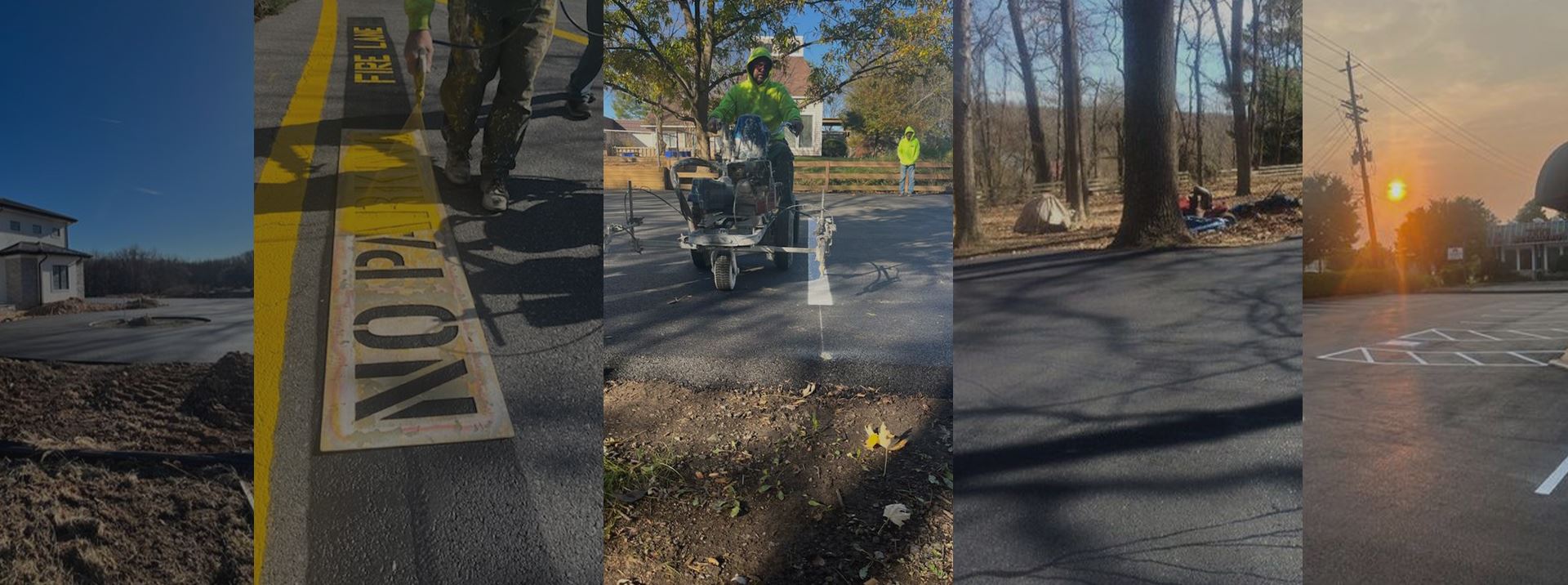
Line striping matters more during winter’s shorter daylight and reduced contrast. Refresh faded parking stalls, directional arrows, crosswalks, and fire-lane markings before snow partly covers the pavement.
Pay particular attention to accessible parking routes. For public-facing businesses subject to ADA Title III, required accessible features must generally remain operable, except during isolated or temporary interruptions caused by maintenance or repairs. As an operational practice, make sure snow storage doesn’t block accessible spaces, access aisles, curb ramps, or the pedestrian route to the entrance.
Plan Snow & Ice Operations Around the Surface
Give the snow-removal provider a clear map of features that need protection. Identify drainage structures, curbs, wheel stops, islands, speed bumps, and recent patches before snow covers them.
A plow blade can damage weakened pavement when it catches an edge, pothole, or raised repair. Rubber or polyurethane-edged blades set about one-half inch above the pavement reduce scraping and gouging on asphalt surfaces. Visible stakes also give operators a reference after snow hides curbs and islands.
Choose deicing materials according to temperature. Rock salt can contribute to refreeze damage when meltwater freezes again below 15°F, while calcium chloride remains liquid to roughly minus 25°F. The appropriate material and application rate depend on expected temperatures, pedestrian traffic, and the property’s snow and ice procedures.
Before winter operations begin, confirm these details with the crew responsible for the site:
- Snow-storage locations that don’t block drains, sightlines, accessible routes, or fire access.
- Protected areas where plows should slow down or lift the blade.
- Priority routes for entrances, accessible spaces, walkways, and loading areas.
- A process for documenting new potholes, drainage failures, or damaged markings after each storm.
Monitor the Lot Throughout Winter
Winter maintenance continues after the first freeze. Inspect the lot after major storms and again during spring thaw, when retreating snow and ice often reveal new cracks, loose material, and potholes.
Keep a simple record with photos, location notes, and the date each issue appeared. This record distinguishes a temporary cold patch from a repair that needs to be scheduled and gives snow crews a current reference for vulnerable areas.
Treat winter preparation as a regular maintenance cycle rather than a single fall task. We recommend inspecting pavement at least once a year and planning to reseal and re-stripe every two to three years. Our routine maintenance program is designed to identify minor cracks before moisture and freeze-thaw cycles cause more extensive damage.
Before the next storm, review water entry points, drainage, visibility, accessible routes, and the snow-removal plan. If cracks, potholes, drainage concerns, or faded markings need a professional assessment, E & Sons Paving provides parking lot repair and routine maintenance for asphalt and concrete surfaces. Call (443) 234-0489 to discuss the condition of your lot.